
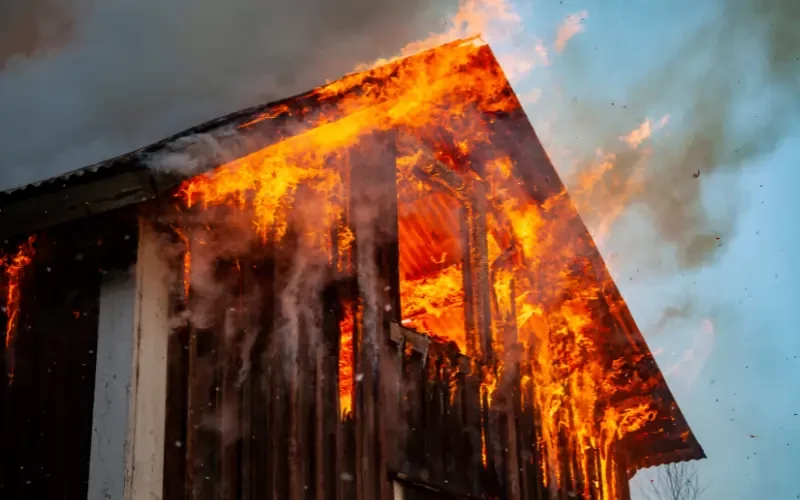
How to Sell a Fire-Damaged House in North Carolina Fast
When it comes to stressful activities, selling a house is always near the top of the list. Selling fire-damaged properties, though, is one of the more overwhelming tasks imaginable. It’s hard enough to try to decipher how the local market is going to treat a conventional listing without having to worry about fixing the fire damage beforehand. On top of that, you have the disclosures to make.
Many homeowners try to avoid that whole mess, but wonder if it’s legal to sell fire fire-damaged house in North Carolina. If this sounds like you, you’re in the right place. We’re going to break down the real-world legality of selling a house that you know has fire damage. You’ll find out if it’s legal and what you need to know if you’re going to put a fire-damaged property on the market. The key is just knowing how it all works, so this guide will walk you through each major decision and what the law expects from property owners looking to sell.
Can You Legally Sell a House With Fire Damage in North Carolina?
Let’s cut to the chase. Yes, you can legally sell a fire-damaged house in North Carolina. While tons of property owners assume that extensive damage, from smoke damage to reduced structural integrity, will prevent a sale, that’s far from the truth.
North Carolina law lets you sell a house with fire damage, as long as you meet the disclosure requirements set by the state. The selling process has a significant emphasis on honesty and safety. This is important when discussing basic compliance with codes and the extensive repairs that a property may need.
Homes with current fire damage, previous fire damage, electrical fire issues, or even ongoing restoration needs can still be sold. This includes being sold as is. Lots of homeowners choose the as-is route when the damage or associated costs of repair are too high. This is particularly relevant when the property’s condition or baseline market value makes it difficult to get the fire restoration and other necessary repairs done.
So, while the state won’t prevent a sale, it does legally mandate that the sale be honest and transparent when it comes to its fire history.
Understanding North Carolina’s “As-Is” Disclosure Requirements
North Carolina allows you to sell a property as is, but that doesn’t remove your obligation to disclose fire damage. Let’s talk about what that means for a potential seller.
The state rules require you, as the seller, to inform any potential buyers about known issues and insurance claims the property has. This is specified to be anything that can reasonably impact the home’s safety, condition, or value. Smoke damage, fire damage, previous fire department involvement, or even results from a fire damage assessment.
Real estate professionals will always tell you to be honest and upfront about all restoration costs and all issues, even minor repairs, that are still needed following fire restoration services.
How Do You Price a Fire-Damaged House?
Pricing your property depends on your fire-damaged property’s value, and understanding how that value is impacted after a fire event. A home that’s had a house fire rarely sells for the full pre-fire value. This is because any potential buyers need to factor in restoration costs. The only way to know exactly what repairs are needed after a home has suffered fire damage is to get a fire damage assessment.
Factoring Repair Costs vs. Land and “After-Repair” Value
To price a fire-damaged home accurately, you’ll need to estimate repair costs and compare them to the property’s potential after-repair value. A fire restoration contractor can help you understand which necessary repairs are structural, which are cosmetic, and which repairs may not be worth completing. Minor smoke damage or small repairs may not affect value heavily, but extensive repairs can reduce the property’s value significantly.
Many homeowners compare the cost of repairing fire damage to what the home could sell for once restored. If the restoration process costs more than the likely after-repair value, selling the property as is is usually the more practical choice. Land value and local demand also help determine the final price.
What Are Your Options?
Having a house fire is traumatic enough, but afterwards, you can feel trapped. Stuck trying to figure out what to do with the house. In most cases, North Carolina homeowners have three main options. They can fix it and list it, let insurance handle it, or just sell it as is and go. We’re going to look at each and see how it may or may not fit into your larger financial strategy.
Option 1: Repairing The Fire-Damaged House
Repairing the home is, by far, the most traditional route, especially when the fire-damaged property still has a solid structure. This usually involves hiring fire restoration contractors to assess the repair costs and choosing one of the bids. Minor repairs and basic smoke or water damage can be taken care of relatively quickly. More extensive repairs will take longer time frames with longer bills.
Property owners who are looking to squeeze every penny they can out of their property will often go this route. This will allow them to put the highest potential asking price on the home, as long as they’ve got the time and the money for restoration.
Option 2: The Hassle of the Insurance Claims Process
Some homeowners choose to wait for the insurance company to finish evaluating the damage before deciding what to do next. This process can be time-consuming, especially if the house fire involved electrical fire issues, fire department reports, or unclear fire history. Smoke damage, structural concerns, and restoration estimates all play a role in how long a claim stays open.
When claims drag on, it can stall the selling process. In more complicated situations, like selling hoarder homes, for example. Homeowners sometimes look into how to sell a house with insurance challenges, since not every claim resolves quickly or fairly. Delays often push sellers toward faster alternatives.
Option 3: The Speed and Simplicity of a Cash Offer
A cash buyer can be the fastest way to sell a fire-damaged house, particularly when you don’t want to do any repairs or inspections. Cash buyers will buy homes with extensive damage, previous fire damage, repairs that were never finished, and more. Many specialize specifically in distressed properties like those with fire damage.erty for sale, making it more appealing to potential buyers and increasing your chances of a successful sale.


Fill Out The Form Below And Sell Your Fire-Damaged House In One Simple Step
What Are the Steps to Selling a Fire-Damaged House As-Is?
North Carolina allows you to sell a fire-damaged home without making repairs, as long as you follow the disclosure rules and provide honest details about the fire history and the home’s condition. No matter how bad things are or how damaged the property may be, you can still close on a successful sale.
Step 1: Secure the Property & Get a Damage Assessment
Once the home is inspected, you’ll get a clearer picture of whether restoration costs make sense or if selling the property as is is the more realistic path. Some North Carolina areas, such as Leland and Southport, may not follow larger trends, so understanding those niche markets is critical for local homeowners.
Step 2: Understand Your Legal Disclosure Duties
Sellers are legally bound to disclose all fire damage honestly. This applies to every real property transaction, even when selling as is.
You must let potential buyers know everything you do about the issues with the house. From previous fire damage, smoke damage, and structural issues, to the estimates you’ve obtained, the repairs that have been done, the materials replaced, and any risks that may be present but not yet addressed.
Real estate professionals often recommend documenting everything you know about the restoration process. This helps protect you legally, but it also builds trust with potential buyers.
Step 3: Contact ILM Home Offer for a No-Obligation Offer
ILM Home Offer provides cash offers for properties in any condition, including those with extensive damage or incomplete repairs. A no-obligation offer lets you compare your options without pressure or stress.
Step 4: Close in as Little as 7 Days
After accepting an offer, the closing process is straightforward. ILM Home Offer handles the paperwork, coordinates with the title company, and guides you through each step to ensure a smooth selling process. Since cash buyers don’t depend on lender approval or inspections, you can complete a successful sale without weeks of delays.
You can schedule the closing for whenever is most convenient for you. Homeowners looking to sell fast can often close within a week, letting them move forward with almost zero delay.
Why Sell Your Fire-Damaged House to ILM Home Offer?
Many of our residential partners choose us because, simply put, selling a fire-damaged house in North Carolina can be challenging. Even in a seller’s market hotter than a July weekend at the beach, it can take a long time, and a lot of wasted expense to find even minimal buyer interest.
Instead of losing time and money trying to repair fire damage or dealing with listing hassles, selling your property as is can put money in your pocket and finalize your exit plan. ILM Home Offer makes the process simple.
We buy homes as-is. We’ll make a fair cash offer based on the current condition of the home, and if you like it, we can close on a schedule that works for you.
FAQs About Selling Fire-Damaged Homes in NC
How much value does a house lose after a fire?
The value a particular home loses following a house fire will depend on three big factors. It will depend on the starting value or pre-fire value of the home, the seriousness of the fire event, and the resulting cost of fire damage restoration.
Do I have to disclose all fire damage when selling in North Carolina?
Yes. Unquestionably, unequivocally, yes. You must disclose all fire damage, current or previous. Including any issues found during inspections or assessments, and information about any insurance claims, open or closed.
Is it worth repairing a fire-damaged house before selling?
This is a very personal question. The answer is going to depend heavily on your financial goals. Making repairs will let you put a higher asking price on it, but the repair costs could be substantial. Homes with more extensive damage will generally need more serious repairs. However, spending the money on repairs doesn’t guarantee recouping it in the sale price.
Can I sell my house if the insurance claim is still open?
Yes, you can sell your house even if insurance is still working on your claim. Some buyers even search for homes with open claims, since they know the property will likely need repairs that the homeowner may not be willing to commit to. Your insurance company may need to finalize payout information, but otherwise, the sale can move forward on schedule.
How long does it take to sell a fire-damaged house for cash?
Selling for cash will typically put the timeline in your hands. Cash buyers can move quickly, so if you’re on a time crunch, you could finish closing in roughly a week.
At what point is a fire-damaged house not worth fixing?
Most homeowners would call it a wash if the restoration costs get close to the property’s value. At that point, a tiny budget overrun could mean you’re back underwater with what you’re spending versus what it’s worth. This might be a more common decision after a fire that inflicts serious structural damage.
Conclusion
Selling your fire-damaged home in North Carolina might feel impossible, but you’ve got options. Once you commit to being upfront about the damages and get repair estimates, you’ll be ready to fairly evaluate every offer that comes your way. If you’re ready to see what a fair cash offer looks like for your property, reach out to ILM Home Offer. We’ll give you a quick and easy, no-pressure offer that can give you a simple roadmap to closing.
Get Your Free, No-Obligation Cash Offer!
Don’t wait anymore. Fill out the form below and join the growing number of homeowners who have sold their fire-damaged house with us in the most simple and stress-free way.